
Why paper prices fluctuate (pulp, freight, currency) explained simply
Updated: Feb 18

If you’ve ever wondered why the price of the same paper can move up or down within months, it usually comes down to three moving parts:
Pulp / raw material costs
Freight & shipping costs
Currency (USD vs LKR and other FX)
Think of paper pricing like a cake: even if the recipe stays the same, if flour, delivery, and exchange rate change, the final price changes too.
1) Pulp: the biggest ingredient in the paper “recipe”
For many paper grades, wood pulp is the core input, and global pulp markets move in cycles like other commodities. (World Bank)
A useful way to see these swings is the wood pulp Producer Price Index tracked by Federal Reserve Bank of St. Louis (FRED), it shows pulp prices rising and falling over time, which eventually flows into paper costs. (FRED)
What makes pulp prices move?
Global demand changes (packaging demand up/down, publishing demand shifts)
Supply disruptions (mill shutdowns, maintenance, weather events)
Energy/chemicals costs (pulp mills are energy-intensive)
Simple takeaway: when pulp gets expensive, paper usually follows.
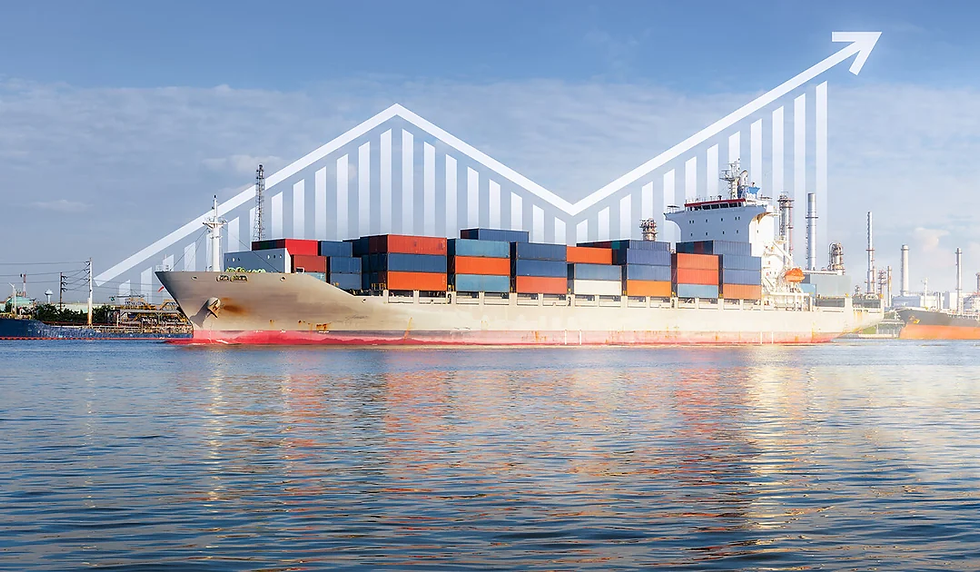
2) Freight: paper is bulky, so shipping matters a lot
Paper is heavy and takes space, so freight is not a small add-on. When container rates jump, the landed cost of imported paper and board can jump too.
Two widely watched indicators are:
The Drewry World Container Index (WCI), which reports spot container freight rates on major routes (USD per 40ft container). (drewry.co.uk)
The Freightos Freightos Baltic Index (FBX), which tracks container pricing across major global shipping lanes. (Freightos)
And freight can change quickly due to:
Fuel costs
Port congestion / delays
Carrier capacity changes
Geopolitical or trade disruptions
Even mainstream reporting shows these rate swings can be sharp and driven by demand/capacity changes. (Reuters)
Simple takeaway: if shipping gets more expensive this quarter, paper prices can rise even if pulp is stable.
3) Currency: when USD strengthens, imports feel more expensive
Most international paper trade is priced in USD (or another major currency). If your local currency weakens, the same USD paper price converts to a higher local price.
Economists call this “exchange rate pass-through”: exchange rate moves tend to feed into import prices (often not 1:1 instantly, but it shows up). (IMF)
Simple takeaway: even if the supplier’s USD price doesn’t change, your local cost can change because FX changed.

A simple example (no jargon)
Imagine a shipment where:
Pulp cost rises (supplier increases base price)
Freight rises (container rate increases)
Currency weakens (USD/LKR moves against you)
Even a modest move in each can stack up and become a noticeable increase in the final selling price.
That’s why paper prices sometimes rise even when “nothing changed” inside your business the inputs changed outside your business.
Other (real) reasons prices move
These three (pulp, freight, currency) are the big ones, but there are others:
Energy costs at mills (electricity, steam, fuel)
Demand spikes (e.g., seasonal packaging demand)
Grade availability (certain GSM/coatings can go tight)
Inventory cycles (mills, distributors, buyers all adjust stock levels)
Commodity cycles in general are a normal feature of markets, not an exception. (The World Bank Documentation)
What smart buyers do when prices are volatile
Standardize specs - Lock your common items (GSM, size, finish) so you can compare quotes accurately.
Plan in “buying windows” - If you know you’ll need stock for the next 6–12 weeks, don’t wait until the last minute.
Ask for two quotes
Spot (today’s price)
Contract/validity price (30–60 days)This helps you budget and reduces surprises.
Split risk - Mix a base stock order + smaller top-ups rather than one big last-minute purchase.
Watch one pulp signal + one freight signal - You don’t need to be an analyst—just track one simple indicator for each so you know which way the wind is blowing. (FRED)


Comments